Accessible Holidays in Spain: What Walking Aid Users Actually Need to Know
Spain is the most popular foreign holiday destination for UK travellers, and for good reason. The weather is reliable, the food is exceptional, the culture is rich, and the infrastructure in major destinations has improved significantly in recent years.
It's also a country where the gap between the accessible parts and the less accessible parts can be wide and close together. The beachfront promenade in one resort and the cobbled old town three streets away are a different world.
Here's what actually matters when you're planning with a walking aid.

The airports
Spanish airports are generally well-equipped for disabled travellers. The major ones (Palma, Barcelona, Malaga, Alicante, Madrid Barajas) all have assistance services, step-free access, and well-maintained surfaces throughout.
Book assistance in advance, directly with your airline rather than the airport. In the UK this is done at booking or via the airline's accessibility team. The EU Air Passenger Rights Regulation requires airlines to provide assistance free of charge, and this applies to flights to and from Spain regardless of Brexit.
Allow extra time. Airport assistance works to a different schedule than independent travel, and being rushed through an airport on a walking aid is more stressful than it needs to be with the right buffer built in.
Our flying with crutches guide covers what to expect at the airport and on board in detail.
Where in Spain tends to work well
Barcelona is one of the most accessible cities in Europe, with a flat waterfront, wide pavements, and an accessible metro system (though not universally so, it's worth checking specific lines). The Gothic Quarter is cobbled and uneven, but Las Ramblas, the Eixample neighbourhood, and the waterfront are all manageable. The Sagrada Família, Park Güell (with some limitations), and MNAC museum all have accessible entrances.
Mallorca is an excellent choice for walking aid users, particularly outside the older town centres. Palma's promenade (Passeig Maritim) is flat and well-surfaced. The resort areas of Alcudia and Port d'Alcúdia have accessible beachfronts. The mountain roads of the Tramuntana are spectacular but not walkable on mobility aids, though the views from accessible viewpoints make the drive worthwhile.
Málaga and the Costa del Sol are generally flat along the coastal strip, with the old town involving more uneven terrain. The Malaga city centre has good accessible infrastructure. Nerja and Marbella have accessible promenade areas.
Seville is genuinely one of the better Spanish cities for accessibility in the centre, with wide pedestrianised streets, good public transport, and helpful staff at the major monuments. Summer heat is worth factoring in if you're managing a condition affected by temperature.
Madrid is a major European capital with good accessible infrastructure throughout the centre. The Prado, Thyssen-Bornemisza, and Reina Sofía all have accessible entrances and lifts. The metro has lifts at most central stations.
Where to be cautious
Old town areas throughout Spain (Granada's Albaicín, Toledo, the old quarters of most Andalusian towns) are typically cobbled, steeply hilled, or both. They're beautiful, but they require realistic assessment of what your body can manage on a given day. Building in rest time or choosing to see these areas at a slower pace, with good rest options, makes a real difference.
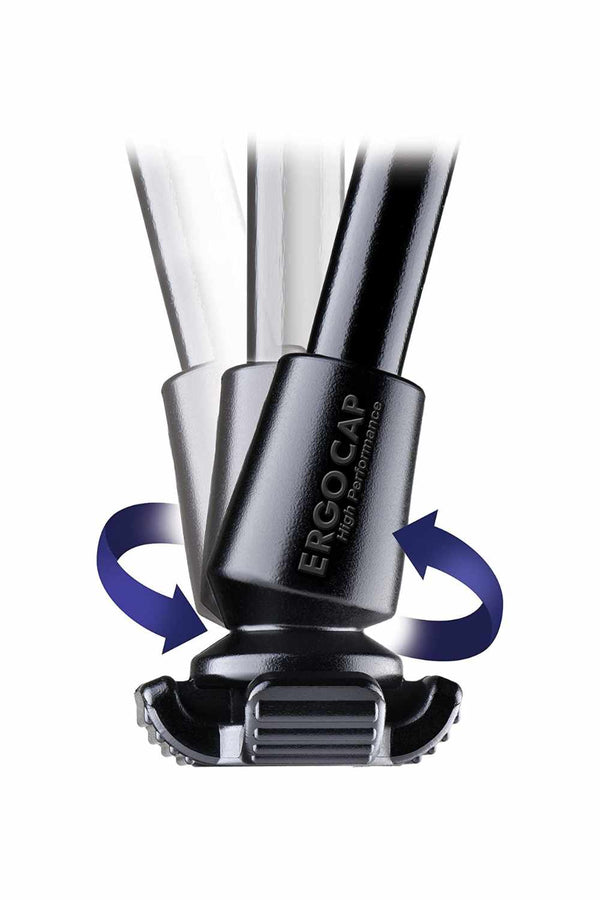
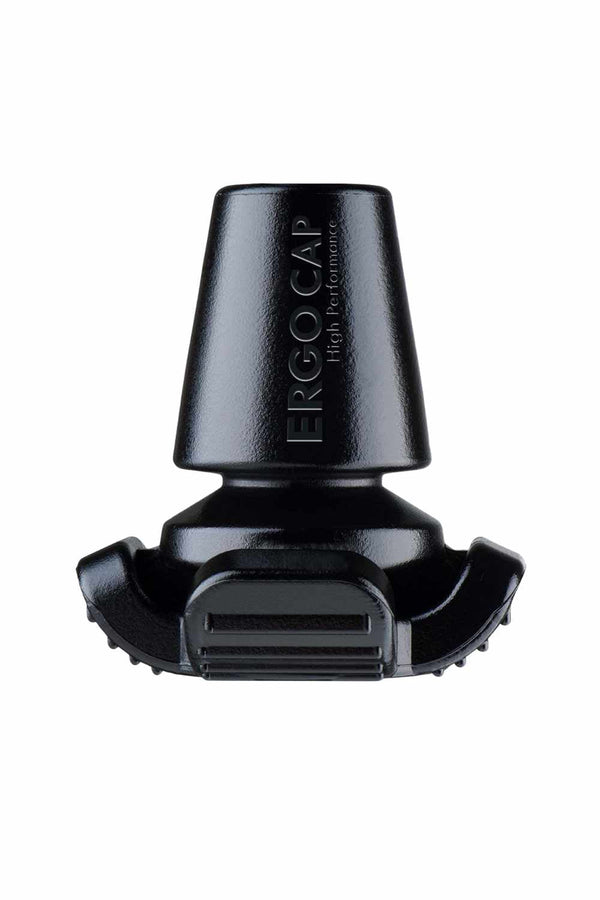
Beaches vary. Fine sand is difficult on crutches and most walking sticks; a standard ferrule will sink so definitely worth popping a High Performance Ferrule to ensure stability on sand and no sinking. Some Spanish beaches now have accessible boardwalks or beach wheelchairs available, but provision is inconsistent and worth checking specifically rather than assuming.
Heat is a practical factor that often gets underestimated. Higher temperatures increase fatigue, affect how long you can be on your feet, and in some conditions (MS, hypermobility, chronic fatigue) can cause significant symptom flares. Planning around the cooler parts of the day (before 11am and after 4pm) makes an enormous difference to what's manageable.

Practical kit for Spain
A folding walking stick is particularly valuable for Spanish holidays. It packs into carry-on luggage, means you're not checking it as oversized baggage, and the variable-need nature of most trips (easier mornings, harder evenings, unexpected cobbled streets) suits the flexibility of having it available without it being a burden. Our folding walking stick collection has options that fold down compact enough for hand luggage.
Ferrules wear faster on outdoor surfaces and Spanish pavements in particular. Pack a spare, or consider upgrading to our Ultralite High Performance Ferrules before you travel. A ferrule that fails in Palma is fixable but unnecessarily stressful.
Travel insurance
Travel insurance for pre-existing conditions is a whole topic in itself, but the short version: always declare your condition fully, regardless of how long you've had it, and always compare providers rather than accepting a quote that seems high. Comparison sites like AllClear, Staysure, and Free Spirit specialise in pre-existing condition travel insurance and typically offer significantly better value than standard comparison sites.
Check that your policy covers mobility aid replacement or repair if your equipment is lost or damaged in transit. Most standard policies don't include this as standard.
If you enjoyed this, you might also like: