How to Navigate Accessible Taxis in London With A Mobility Aid
Getting around London can be overwhelming at the best of times, and if you live with a disability, chronic illness or use a mobility aid, taxis often play a vital role in making the city accessible. While London does offer more accessible taxi options than many other cities, knowing how to navigate accessible taxis confidently can make all the difference to your day.
This guide breaks down what to expect, how to plan ahead, and how using the right mobility aids (and accessories) can help you travel safely, comfortably and with confidence.

Understanding Accessible Taxis in London
London is legally required to provide wheelchair-accessible taxis, and the city’s iconic black cabs are one of the most reliable options for accessible travel.
Most licensed black taxis offer:
-
Ramps for wheelchair users
-
Spacious interiors
-
Grab rails and swivel seats
-
Space for mobility aids
-
Drivers trained in disability awareness
Private hire vehicles (such as minicabs) can also be accessible, but you must request this in advance when booking.

Black Cabs vs Private Hire: What’s Best?
Black Cabs
Black cabs are fully wheelchair accessible by law and can be hailed on the street or booked via apps such as Free Now or Gett. They’re ideal if you need:
-
Immediate access
-
Guaranteed wheelchair space
-
Assistance boarding
Private Hire & Ride-Hailing Apps
Apps like Uber, Bolt and Addison Lee may offer accessible options, but availability varies. Always:
-
Select the “wheelchair accessible” option if available
-
Message or call the driver ahead of arrival
-
Confirm space for mobility aids

Mobility Aids & Accessories
The Right Mobility Aid
London is a very busy city, taxi's are part of it's fast-paced environment. So choosing the right mobility aid for getting yourself around safely can significantly improve your experience.
At Cool Crutches, our walking sticks and crutches are perfect for navigating busy areas. They are strong, reliable, and the ergonomic handles reduce strain during longer journeys or busy days. However, you may also consider a folding walking stick as a more mobile option. It gives you support when you need it, but folds neatly away into a handbag or backpack once seated in the taxi.

Check Your Ferrules
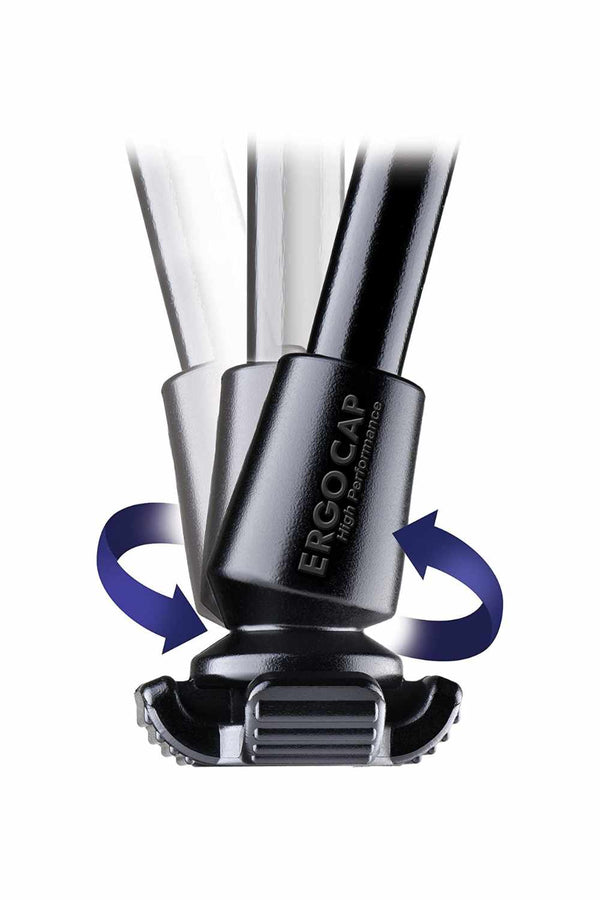
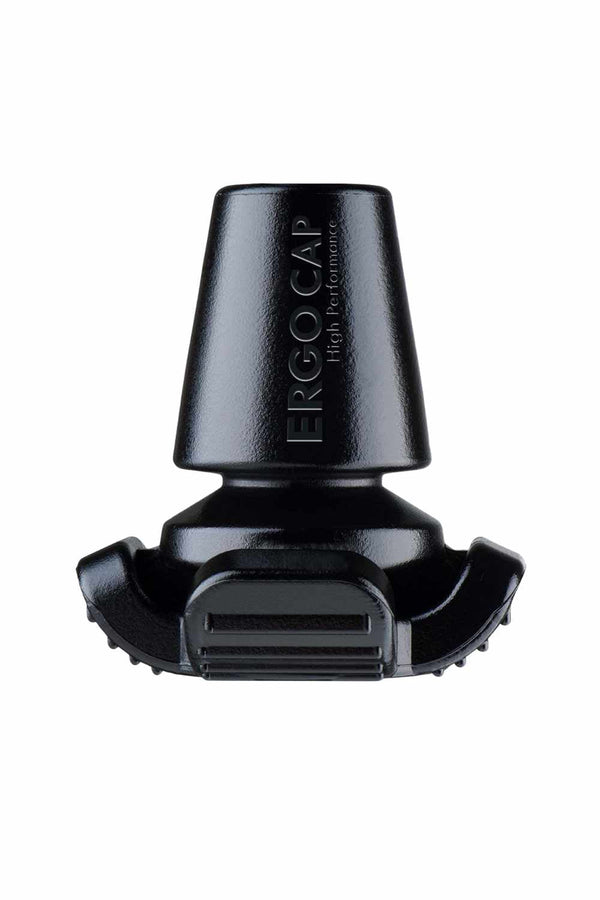
Worn or smooth ferrules (rubber tips) increase the risk of slipping, especially on pavements, kerbs and wet roads. Consider upgrading to High Performance Ferrules, which offer:
-
Better grip on uneven surfaces
-
Shock absorption for joints
-
Increased stability when stepping into taxis
They’re particularly helpful in wet weather or during winter.

Stick Safe
When seated in a taxi, cafés or restaurants, mobility aids often end up sliding or falling to the floor. A Stick Safe keeps your walking stick or crutches upright and within reach, meaning:
-
No bending down
-
No awkward fumbling
-
No risk of trips or falls
Communicating Your Access Needs
You are entitled to reasonable adjustments when travelling. Don’t be afraid to:
-
Ask the driver to deploy the ramp
-
Request extra time to board
-
Ask where best to store your mobility aid
Using a Sunflower Lanyard can also discreetly signal that you may need extra time or support, without having to explain your condition.
Planning Ahead for Stress-Free Journeys
-
Allow extra time, especially during peak hours
-
Save trusted taxi apps on your phone
-
Keep mobility aids in good condition
-
Carry a backup folding walking stick if your symptoms fluctuate
A little preparation can prevent unnecessary stress and make outings far more enjoyable.