Managing a Physical Disability During Pregnancy: Practical Advice and Support
Pregnancy is often spoken about in glowing, simplified terms. In reality, it is a time of constant adjustment. For women living with a physical disability, those adjustments can feel more layered, both physically and emotionally.
That said, many women with disabilities go through pregnancy safely and confidently. The key is preparation, the right support and making thoughtful adaptations as your body changes.
Build the right support team early
Having a healthcare team that understands your condition is essential.
This may include:
-
A midwife experienced in high-risk or complex pregnancies
-
A consultant or specialist linked to your condition
-
A physiotherapist to support mobility and strength
Do not hesitate to advocate for yourself. Clear conversations about your mobility, pain levels and birth preferences will help ensure your care is tailored to you.

Expect your mobility to change
As your body changes, so will your balance, energy levels and centre of gravity.
You may notice:
-
Increased fatigue
-
Reduced stability
-
More strain on joints and muscles
If you already use crutches or a walking stick, this is often the time when reassessing your support becomes important. What worked before pregnancy may not feel as comfortable later on.
If you are unsure what level of support you now need, taking a moment to find the right walking aid for your needs with this quick quiz can be a helpful starting point. It looks at your current symptoms and recommends options tailored to you.
Many women find that switching to a pair of comfortable crutches for everyday support with better cushioning or ergonomic design can reduce pressure on the wrists and shoulders as weight distribution changes.
Prioritise stability over everything else
Falls prevention becomes even more important during pregnancy.
Simple adjustments can make a big difference:
-
Wear supportive, non-slip footwear
-
Keep floors and walkways clear at home
-
Use handrails where possible
-
Avoid rushing, especially when fatigued
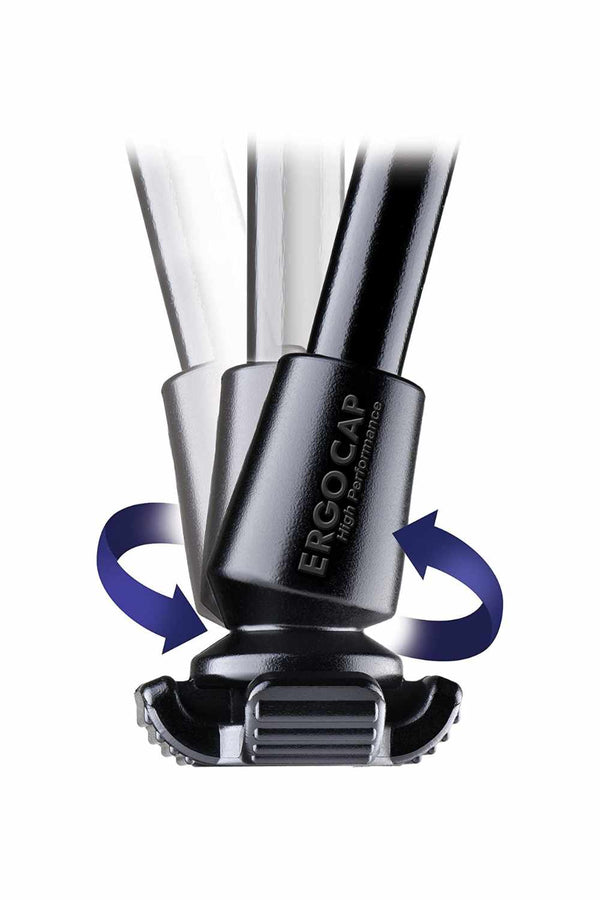
If your balance feels less reliable, a more supportive walking aid such as a stable walking stick with a secure shock absorbing grip can provide added confidence both indoors and outdoors.

Manage fatigue without guilt
Fatigue during pregnancy can be intense, and even more so if your body is already working harder due to a disability.
Try to:
-
Break tasks into smaller steps
-
Plan rest periods throughout the day
-
Sit rather than stand where possible
-
Accept help when it is offered
Pacing yourself is not a setback. It is a strategy that helps you conserve energy and avoid unnecessary strain.
Make your home work for you
Small changes at home can significantly reduce daily effort.
Consider:
-
Keeping essentials within easy reach
-
Using supportive seating with good back and arm support
-
Adding cushions or positioning aids for comfort
-
Creating rest areas on each floor if stairs are involved
The goal is to reduce the physical demand of everyday tasks.
Protect your upper body
If you use crutches, your upper body is already under regular strain. Pregnancy can increase this pressure due to changes in posture and weight distribution.
To reduce discomfort:
-
Check that your crutches are correctly adjusted
-
Use padded or ergonomic handles where possible
-
Avoid prolonged periods of continuous use without rest
Exploring options like ergonomic crutches designed for long-term comfort can help prevent additional pain in the hands, wrists and shoulders.
Think ahead to later pregnancy
As your bump grows, movement may become more restricted.
You may need to:
-
Slow your walking pace
-
Use additional support outdoors
-
Adjust how you sit, stand and get in and out of bed
Revisiting your mobility needs as your pregnancy progresses is important. If things begin to feel different, you can always retake the walking aid quiz to reassess what support suits you now.
Look after your mental wellbeing
Pregnancy can bring uncertainty, especially when combined with a disability.
You might find yourself wondering:
-
How will my body cope?
-
Will my mobility change long term?
-
How will I manage once the baby arrives?
These are valid concerns.
Connecting with others who have had similar experiences, whether through online communities or support groups, can be incredibly reassuring. Sometimes, simply knowing you are not alone is enough to shift your perspective.
Trust your experience
You know your body better than anyone.
If something does not feel right, speak up. If something is working well, continue with confidence.
There is no single way to experience pregnancy, and having a disability does not define your journey. With the right support, tools and guidance, it can be one that feels both safe and empowering.
Not sure what support is right for you right now?
If your mobility needs are changing during pregnancy, finding the right support can make a meaningful difference to your comfort and confidence day to day.
You can take our quick walking aid quiz to assess your current symptoms and get personalised recommendations tailored to you.
If you found this helpful, you might also like:
Or explore our full collection of advice and guides on the Cool Crutches blog, where we share practical tips, real experiences and expert insights to support your mobility journey.