The Science of Comfortable Crutches & Walking Sticks: What Makes a Mobility Aid Truly Ergonomic?
When you rely on a walking stick or crutches, comfort isn’t a luxury, it’s essential. A poorly designed mobility aid can cause wrist pain, shoulder strain, poor posture and even long-term joint problems. Yet for years, mobility aids have been treated as purely functional objects, with little attention paid to ergonomics, biomechanics, or the lived experience of the person using them.
So what actually makes a walking stick or crutch comfortable? And how does science help us design mobility aids that support your body, rather than work against it?
Let’s take a closer look at what “ergonomic” really means when it comes to mobility aids.
What Does “Ergonomic” Mean in Mobility Aids?
Ergonomics is the science of designing products to fit the human body, its movements, and its limitations. An ergonomic mobility aid supports natural posture, distributes load efficiently, and reduces unnecessary strain on joints and muscles.
In simple terms:
An ergonomic walking stick or crutch should help you move more easily, with less pain and fatigue.
This involves several interconnected design factors. Not just how the aid looks, but how it behaves when you use it. At Cool Crutches, ergonomics isn’t an afterthought it’s built into every element of every walking aid, from handle shape to ferrule performance.
1. Handle Design: Protecting Hands, Wrists & Nerves
One of the most common causes of discomfort in walking sticks and crutches is poor handle design.
Why it matters
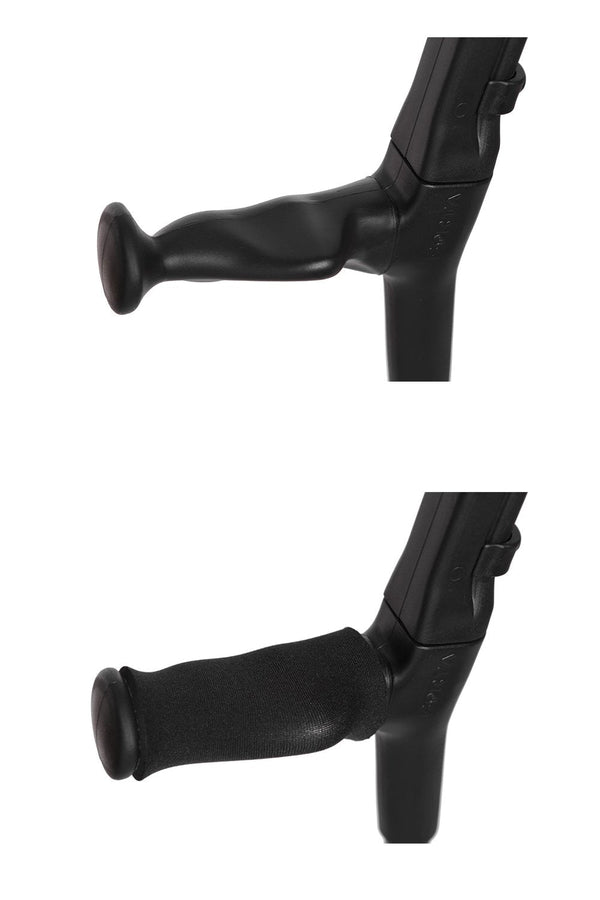
When you walk with a stick or crutches, a significant amount of your body weight passes through your hands and wrists. If the handle is too narrow, too hard, or poorly shaped, it concentrates pressure in small areas, compressing nerves and straining joints.
This can contribute to:
-
Wrist and thumb pain
-
Carpal tunnel symptoms
-
Hand fatigue
-
Reduced grip strength over time
The science behind comfort
Ergonomic handles are designed to:
-
Increase surface area, spreading pressure more evenly
-
Support the natural alignment of the wrist
-
Reduce peak pressure points on the palm
Research in hand biomechanics shows that anatomically contoured handles can significantly reduce stress on the wrist and median nerve compared to straight, cylindrical grips.
That’s why Cool Crutches walking sticks and crutches feature ergonomically shaped handles designed to spread load across the palm, reducing pressure hotspots and improving comfort during prolonged use.

2. Height & Adjustability: Supporting Natural Posture
Even the most beautifully designed walking stick can cause discomfort if it’s the wrong height.
Why it matters
When a mobility aid is too tall or too short, it alters your posture. Over time, this can lead to:
-
Shoulder and neck tension
-
Back pain
-
Uneven gait patterns
-
Increased fatigue
What ergonomics tells us
Biomechanics studies show that a walking aid should allow:
-
A slight bend in the elbow (around 15–20 degrees)
-
Shoulders to remain relaxed, not raised or slumped
-
The wrist to stay in a neutral position
Adjustability is crucial because bodies are different and posture (and height) can change depending on footwear, terrain or flare-ups in pain.
Cool Crutches walking sticks and crutches are fully adjustable, allowing you to fine-tune height for your body, footwear, and changing needs which is an essential feature for people living with fluctuating pain or long-term conditions.
3. Weight & Materials: Reducing Energy Expenditure
Using a mobility aid already requires extra energy. The last thing you want is something unnecessarily heavy.
Why it matters
Heavier walking sticks and crutches:
-
Increase muscle fatigue
-
Place more strain on shoulders and arms
-
Can worsen joint pain with prolonged use
The science behind lightweight design
Studies in mobility and rehabilitation show that reducing the weight of assistive devices can:
-
Improve walking efficiency
-
Reduce upper-limb strain
-
Increase confidence and consistency of use
Modern materials such as high-grade aluminium or carbon composites, allow mobility aids to be both lightweight and strong, without compromising safety.
In practice: A well-designed aid should feel easy to lift, place, and move, even after a long day.

4. Shock Absorption: Protecting Joints Step by Step
Every step you take creates impact forces that travel up through your walking stick or crutch directly into your wrist, elbow, shoulder, and spine.
Why ferrules matter more than you think
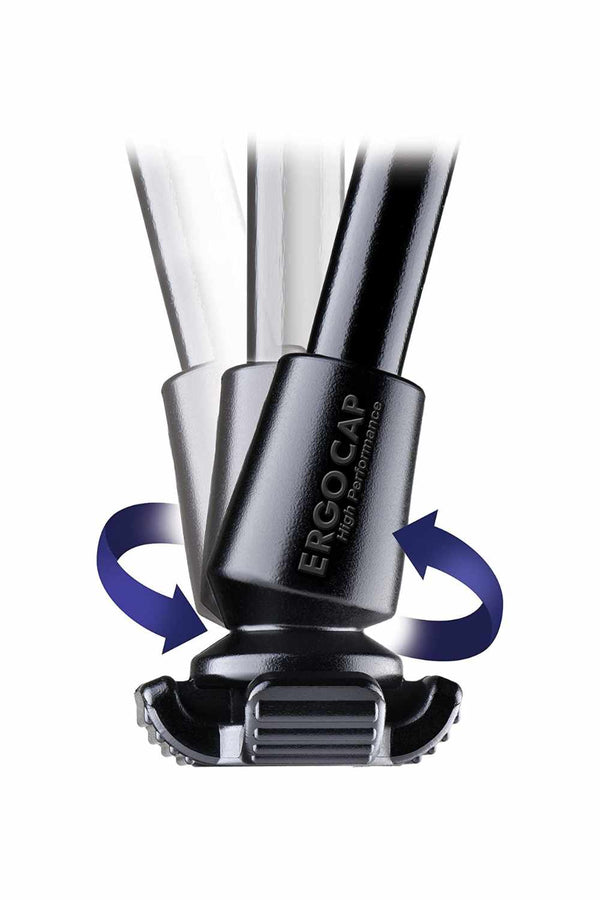
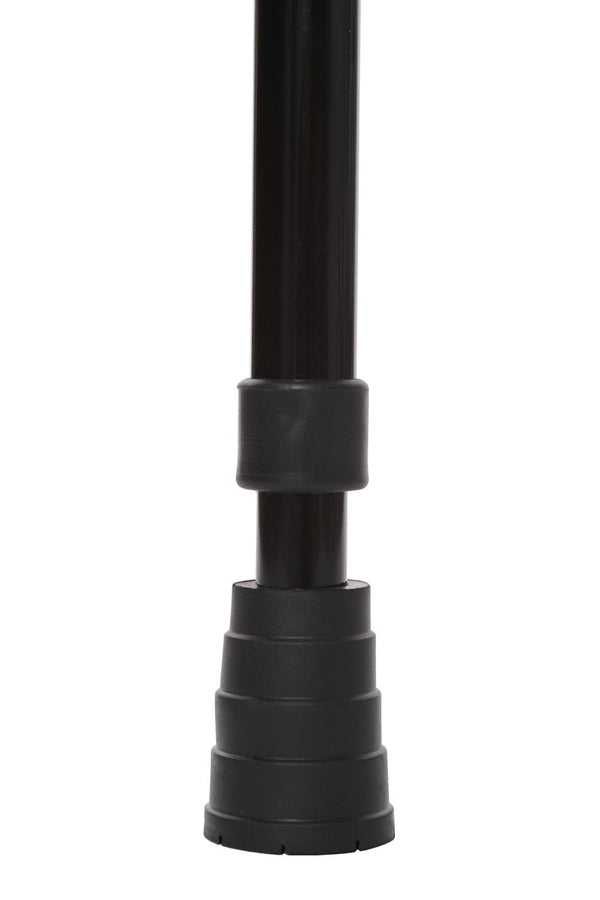
Standard ferrules wear down quickly and provide minimal shock absorption, increasing impact on joints and reducing grip, especially on wet or uneven surfaces.
The Cool Crutches approach
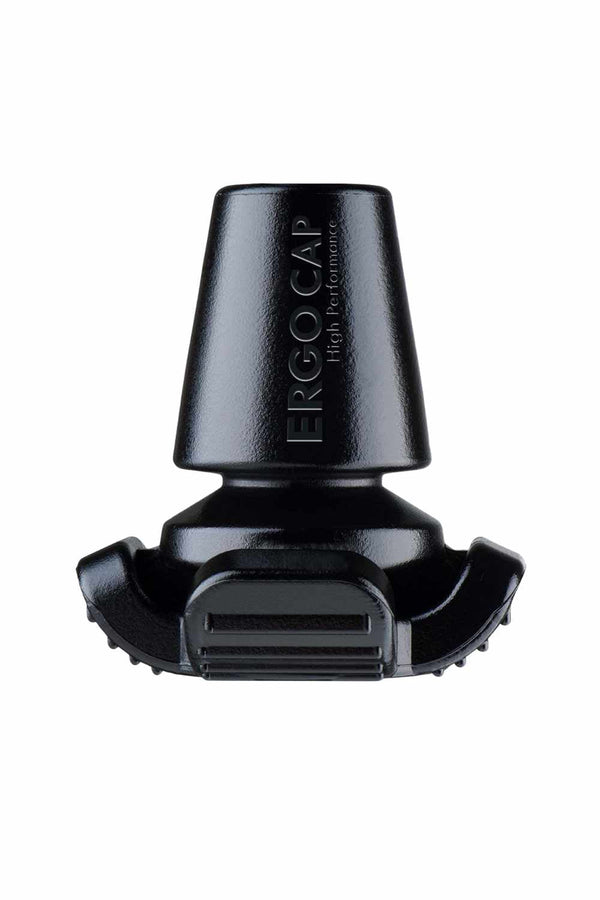
Cool Crutches uses high-performance ferrules designed for grip, durability, and shock absorption, helping to reduce repetitive impact and improve stability.
Research in gait analysis shows that even small reductions in impact can significantly improve comfort, particularly for people with arthritis or chronic joint pain.
In real life, this means:
-
Less jarring through the arm
-
More confidence on varied terrain
-
Reduced joint fatigue over time
5. Stability, Balance & Confidence
Comfort isn’t just physical, it’s psychological too.
Why confidence matters
If a walking stick feels unstable, you’re more likely to:
-
Grip it too tightly
-
Tense your shoulders
-
Walk cautiously or unevenly
This tension increases fatigue and can actually raise the risk of falls.
Designed for trust
Cool Crutches walking sticks and crutches are engineered for reliable ground contact, predictable feedback, and consistent stability helping you walk more naturally and confidently.
When you trust your mobility aid, your body relaxes. And relaxed movement is more efficient, balanced, and comfortable.
Ergonomics Isn’t One-Size-Fits-All
Perhaps the most important principle of ergonomic design is this: real comfort is personal.
Bodies vary. Conditions vary. Pain levels fluctuate. The best walking sticks and crutches are designed with flexibility, adjustability, and real, daily, long term use in mind - not just clinical measurements.
At its heart, ergonomic design respects the person using the aid, not just the function it performs.
Comfort, Science & Dignity Together
Mobility aids should never force you to choose between comfort, function, and feeling like yourself.
When science, ergonomics, and thoughtful design come together, walking sticks and crutches can:
-
Reduce pain and fatigue
-
Support better posture and movement
-
Help you stay active and independent
-
And yes — look good too
Because feeling comfortable in your mobility aid isn’t just about your body.
It’s about confidence, dignity, and being able to move through the world on your own terms.
To find out more about exactly why Cool Crutches & Walking Sticks tick all the comfort, ergonomic and style boxes why not check out: