The harsh truth about using mobility aids (and why the right one changes everything)
No one really tells you the truth about using a mobility aid for pain, injury or long term conditions. Not your doctor, not the internet, not even the people who mean well. Because the reality is, be it due to diagnosis, injury or age - no one is coming to save you. Not from the pain, not from the endless medical admin, and not from the isolation that can creep in when your world suddenly feels smaller. At some point, you realise this is your life and you’re the one who has to figure out how to live it.
Using a mobility aid isn’t just a practical decision, and this is the part that catches most people off guard. It’s emotional. It’s tied up in identity, independence and how you see yourself. It can feel like a line you didn’t want to cross, and once you do, there’s no clear roadmap for what comes next. There’s resistance at the start, a lot of trial and error and often a sense of disappointment when what you thought would help just doesn’t.

After working with thousands of customers, this is one of the most common patterns we hear - trying a mobility aid once, having a bad experience, and writing them off completely. It’s usually not because mobility aids don’t work, it’s because the one they tried wasn’t right for them. Too many options out there are uncomfortable, awkward to use, or designed in a way that doesn’t translate into real life. If it’s poorly fitted, heavy, or makes you feel self conscious, of course you’re not going to want to use it.
This is exactly why so many people end up buying something cheap just to “try it”, often from places like Amazon, and then assume all mobility aids are the same. They’re not. Cheap, one size fits all mobility aids aren’t designed for real bodies or real lives, and they certainly aren’t designed to help you feel confident leaving the house.
The difference the right mobility aid makes to your confidence and daily life is huge. Not in an overnight, everything is fixed kind of way, but in a steady, noticeable shift. When something actually supports your body properly and fits into your life, things start to feel easier. You go out more because it feels manageable. You stay out longer because you’re not constantly calculating how far you can go. You stop overthinking every step. And without really noticing when it happened, you start to feel a bit more like yourself again.

This isn’t about making do or settling for something clinical and uncomfortable. It’s about finding something that works for your body, your lifestyle and your standards. The right support should feel like it’s working with you, not against you. That’s why we design our crutches, walking sticks and accessories to be supportive, practical and actually nice to use day to day.
Not sure you're ready to commit to using one all the time? A folding walking stick can be a really good starting point, giving you support when you need it without feeling like a big step.
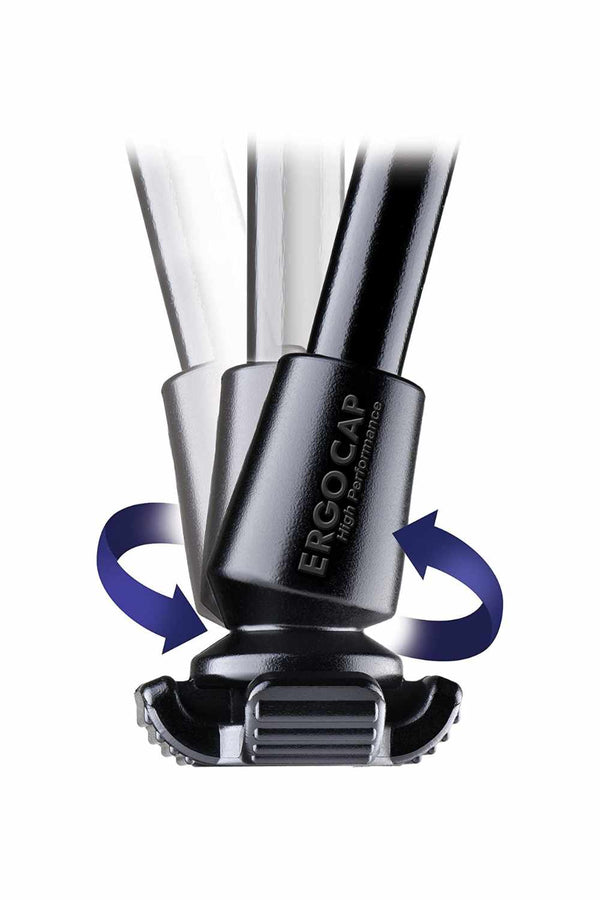
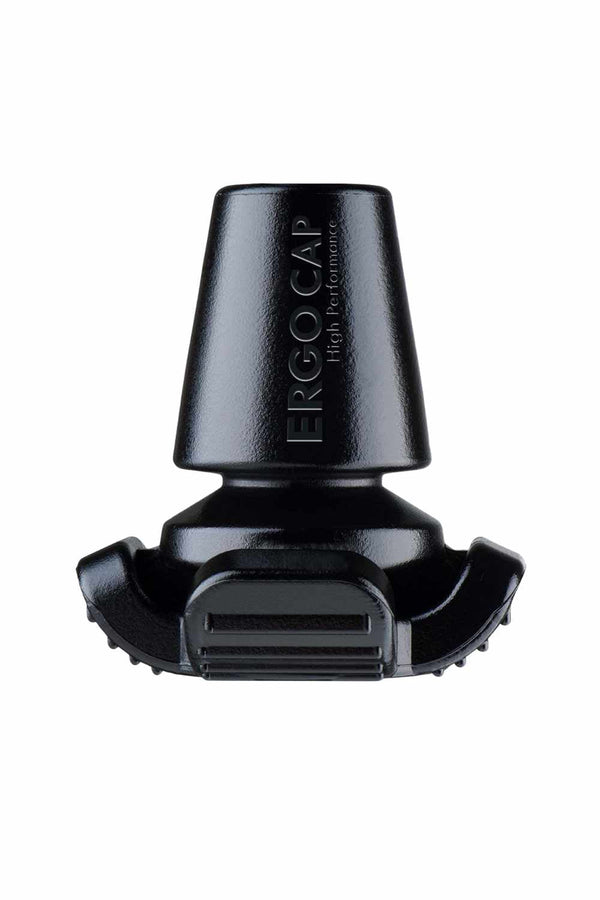
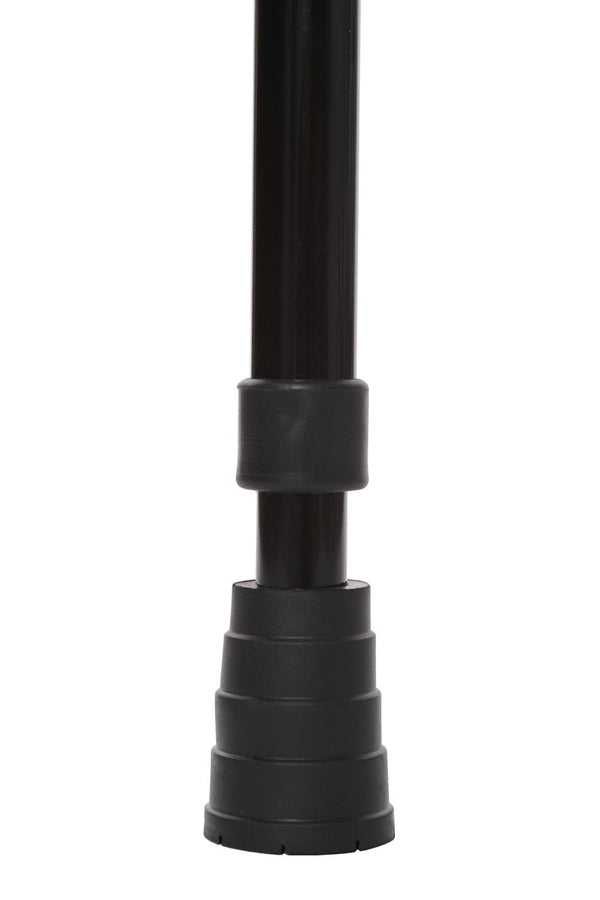
Using a walking stick but finding your back aches? It's often not the stick itself, it's the set up. Something as simple as changing the rubber tip (ferrule) can improve shock absorption and reduce impact on your joints
Find you get joint pain in your hands and wrists? The handle is where we need to tweak!
The key is, there are so many options but with so little help and support it's hard to know where to start.
If you’re in that in between stage, still figuring things out and trying different options, you’re not doing it wrong. This is the process. Most people don’t get it right first time, and that’s okay. It doesn’t mean mobility aids aren’t for you, it just means you haven’t found the right fit yet.
If you’re not sure where to start, we’ve made it simple. Our mobility quiz is designed to help you figure out what kind of support will actually work for your body and your lifestyle, so you’re not wasting time or money guessing. You can take the mobility quiz here and get a clear first step.
No one is coming to save you, but with the right support, you don’t have to figure it all out on your own.
FAQs
How do I know if I need a mobility aid?
If pain, fatigue or instability is limiting how far you can go or how long you can stay out, the right mobility aid can help you conserve energy and stay active.
Why do mobility aids feel uncomfortable?
Many are poorly fitted or not designed for long term use. The right fit and design make a significant difference to comfort and usability.
What is the best mobility aid for chronic pain?
It depends on your condition, lifestyle and level of support needed. That’s why starting with a personalised approach, like taking the mobility quiz, can help.
If you enjoyed reading this blog, why not check out some more Tips & Tricks to Support Living Well with Mobility Aids.