Leg in a Cast During a Heatwave? Here's Everything You Need to Know
The honest guide to surviving summer with a plaster or fibreglass cast - from itch management to swelling, sleep, and knowing when to call 111
You didn't plan to spend summer in a cast. Nobody does.
But here you are, leg plastered, crutches propped against the wall, watching everyone else head to the garden while you try to figure out why your cast suddenly feels like a portable oven.
Getting a cast in a heatwave (or having a heatwave arrive while you're already in one) is genuinely miserable. The heat makes everything worse: the swelling, the itch, the discomfort, the sleep, the sheer impossibility of getting comfortable. And unlike most hot weather problems, you can't just strip off, jump in a cold shower, or put your feet in a paddling pool.
This guide covers everything, from what's normal and what isn't, to the specific hacks that actually help, to the warning signs you should never ignore in the heat.
Why a Cast in a Heatwave is a Special Kind of Miserable
A cast is designed to hold a broken bone still while it heals. What it isn't designed for is 30-degree heat.
Here's what's actually happening:
- Heat causes swelling. In hot weather, blood vessels dilate and fluid naturally pools in the legs (especially in an immobile, elevated limb). If you're already in a cast because of a fracture or surgery, swelling is already happening and heat accelerates it.
- A cast traps heat. Plaster of Paris and fibreglass both insulate. The space between cast and skin becomes a warm, humid microclimate. That's where the itch comes from, and it's why skin under a cast in summer can break down faster.
- You can't regulate temperature properly in that limb. The cast restricts normal airflow, so your body can't cool that part of itself the way it normally would.
- Immobility increases DVT risk, and heat compounds this. Blood clots (DVT) are a known risk when a limb is immobilised. Heat causes dehydration, which makes blood thicker and more likely to clot. This combination matters and is covered in detail below.
None of this means you're in danger but it does mean you need to be more careful and more informed than the average person managing a broken bone in cooler weather.
The Itch: Why It Happens and What You Can Actually Do
The cast itch is one of the most commonly Googled complaints about having a plaster cast. In summer, it's significantly worse because:
- Sweat accumulates under the cast
- Humidity in the cast increases skin sensitivity
- Heat makes nerve endings more reactive
What actually works:
- Cool air hairdryer. This is the most effective and doctor-recommended method. Use a hairdryer on the coldest setting only - never warm or hot and direct the airflow into the open end of the cast. The cool air reaches the skin surface and provides genuine, immediate relief. Do this for 30–60 seconds as needed.
- Ice pack on the outside. Place a dry ice pack or a bag of frozen peas wrapped in a thin towel against the outside of the cast over the itchy area. Never put ice directly on the cast (especially plaster) and never get it wet.
- Antihistamines. Over-the-counter antihistamines can help reduce itch, particularly if you're finding it disrupts sleep. Ask your pharmacist, they can recommend a suitable option.
- Keep the cast elevated. Elevation reduces swelling, which reduces pressure on the skin, which reduces itch. This is genuinely one of the most effective things you can do.
What to absolutely never do:
- Do not put anything inside the cast to scratch! Knitting needles, coat hangers, rulers. This can break the skin under the cast, creating a wound you can't see, clean, or treat, in a warm, moist environment. Skin infection under a cast is serious.
- Do not apply creams, powders, or oils into or near the cast opening. These trap moisture and bacteria.
- Do not use the warm setting on the hairdryer. The skin under a cast is sensitive and can't always feel temperature accurately, you can burn yourself without realising.

Swelling in the Heat with a Cast, What's Normal and What Isn't
Some swelling is completely normal when you have a broken bone or are post-surgery. In the heat, swelling will increase. Here's how to manage it and crucially, how to know when to be concerned.
Managing normal swelling:
- Elevate, elevate, elevate. Keep the cast raised above the level of your heart as much as possible. Lying down with your leg on 2–3 firm pillows is ideal. Even when seated, prop the leg up rather than letting it hang down.
- Move your toes. Gently wiggling your toes frequently throughout the day keeps blood circulating in the foot and reduces fluid pooling. Do this every hour.
- Stay hydrated. In the heat, you lose fluid faster. Dehydration makes swelling worse. Keep drinking water consistently throughout the day, not just when you feel thirsty.
- Keep cool generally. The more you can reduce your overall body temperature (cool room, fan, light clothing), the less fluid your body will push into the affected limb.
Warning signs that need prompt medical attention:
Call 111, or go to your nearest urgent care, if you notice any of the following:
- The cast feels suddenly and significantly tighter than before
- You have numbness, tingling, or pins and needles in your toes that won't go away
- Your toes change colour (pale, blue, or much redder than normal)
- You have pain or discomfort that is getting worse rather than better
- There is a bad smell coming from the cast
- You can see skin breakdown, redness, or a wound at the cast edge
⚠️ Important: If the cast becomes genuinely too tight due to swelling, it can restrict blood flow. Do not wait and see, contact your fracture clinic, 111, or go to A&E. A cast can be split or changed if needed.
DVT Risk in the Heat: What You Need to Know
This is the section most people don't read until they need to, and it's the most important one.
Deep vein thrombosis (DVT) - a blood clot forming in the deep veins, usually in the leg, is a recognised risk when a limb is immobilised in a cast. Heatwaves increase this risk for two reasons:
- Dehydration thickens the blood, making clotting more likely
- Immobility in the heat means you're less likely to move around even the small amounts that normally keep circulation going
If you were given blood-thinning medication (anticoagulants) by your hospital or fracture clinic, take them exactly as prescribed, especially during a heatwave.
DVT warning signs, seek emergency help immediately if you have these:
- Sudden, new swelling in ONE leg only (distinct from the normal swelling around the cast/injury)
- Pain or tenderness in the calf, thigh, or behind the knee, often described as a cramping or heavy aching that doesn't ease with elevation
- Warmth and redness in an area away from the injury site
- Skin that looks stretched, shiny, or unusually discoloured in one area
Pulmonary embolism (PE), call 999 immediately:
If a clot moves to the lungs, symptoms include sudden breathlessness, chest pain, rapid heartbeat, or coughing up blood. This is a medical emergency.
The most important thing to understand about DVT is that it can happen without obvious symptoms. If you have any combination of the above, even mild, call 111 immediately. DVT is very treatable when caught early.
Reducing your DVT risk in the heat:
- Stay hydrated, this is the single most important thing
- Elevate the leg as much as possible
- Do toe and ankle exercises (circle the ankle, flex and point the foot) every 30–60 minutes
- If your clinician has approved it, short walks with crutches help keep blood moving, don't use the heat as a reason to stop moving entirely

Sleeping with a Cast in the Heat
This is arguably the worst part of the whole experience. Here's how to make it more survivable.
Temperature:
- Use a single sheet rather than a duvet, or the duvet cover alone without the filling
- Point a fan towards the foot of the bed to keep air moving around the cast without blowing directly on your face
- Cool air from the hairdryer into the cast immediately before bed can make a significant difference to sleep onset
- Freeze a damp flannel and place on your forehead, wrists or neck, pulse points, to reduce overall body temperature
Positioning:
- Keep the cast elevated even in bed. Two or three firm pillows under the leg works well; a rolled blanket can stop it rolling off in the night
- A body pillow alongside the cast can stop you rolling onto it during the night and waking with pain
- Make sure your mobility aid is within arm's reach of the bed, getting up at 3am when you're hot, disorientated and on crutches is a falls risk
The cast itself:
- Never wrap the cast in wet towels to cool it, moisture is the enemy of both plaster and fibreglass casts, causes skin breakdown, and can weaken the cast structure
- Never apply anything damp directly to the cast opening
- If it's genuinely unbearable, a doctor may be able to discuss ventilated cast options, worth asking at your next appointment
Showering and Keeping Clean in the Heat
Most people with a cast already know they need to keep it dry. In summer, when you're showering more often, this matters even more.
How to shower safely:
- A cast cover or waterproof protector is the safest option, these seal the cast completely and are far more reliable than a plastic bag and tape (though a well-sealed bag works in a pinch) - check out Limbo Cast Covers which are fantastic
- Never submerge the cast in water, not a bath, not a paddling pool, not the sea
- Keep the shower head directed away from the cast
- If the cast does get damp at the edge, dry it immediately with a hairdryer on the coolest setting
If you have limited mobility:
- A shower chair removes the need to balance on one leg, this is a genuine safety issue, not a luxury
- A handheld shower head gives you much more control
- If you're nervous about showering alone in the heat when fatigued, ask someone to be nearby

Your Crutches in the Heat
If you're using crutches because of the cast, the heat creates some very specific problems:
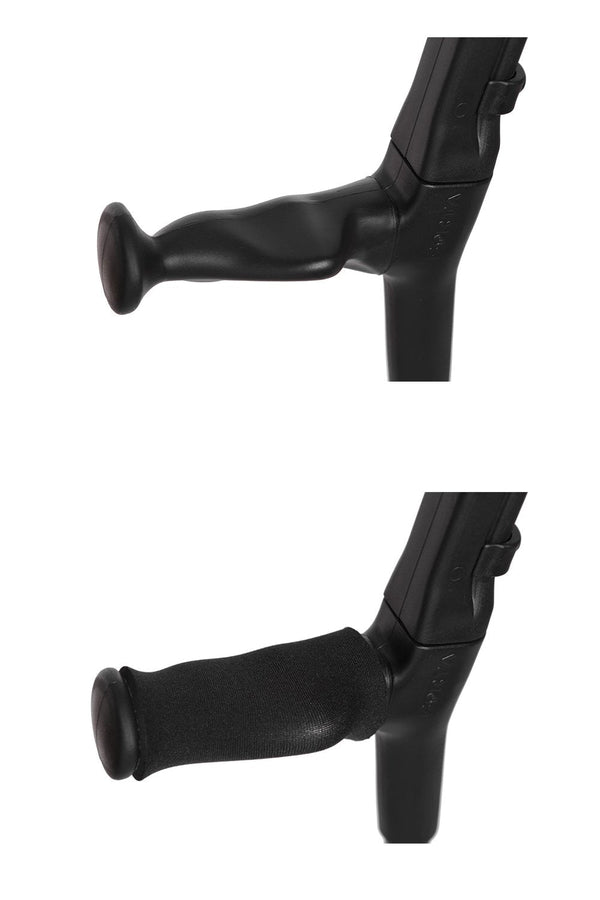
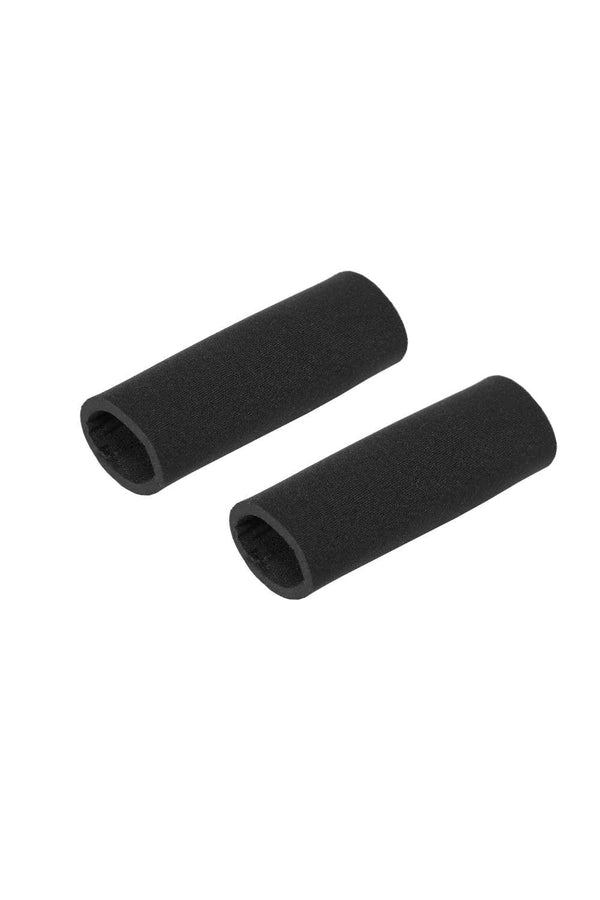
- Sweaty palms on plastic handles become a genuine slip hazard. Neoprene grip covers absorb sweat and give you proper purchase on the handle, especially important on hot days when you're doing more sweating just from the effort of getting around
- Cuff covers (for forearm crutches) stop bare, sweaty arms sticking to and rubbing against hot plastic cuffs. A game-changer in summer
- Adjust for footwear. Every time you change from shoes to sandals or go barefoot around the house, check your crutch height. A small sole difference changes your posture and gait
- Take shorter trips and rest more. Moving on crutches in the heat costs significantly more energy than in cooler temperatures. What felt manageable in February will feel genuinely exhausting in July. Build this into your expectations
- Plan your surface. Wet grass, beach sand, damp poolside tiles, even supermarket floors all of these are higher-risk surfaces for crutch users. Hot sun can also make tarmac and stone unexpectedly slippery.
Going Out (Yes, You Still Can)
Having a cast doesn't mean you have to stay inside all summer. But going out needs a bit more planning:
- Time it right. Go out before 10am or after 4pm. The 11am–3pm window is the worst for UV and heat and the effort of crutching in that heat is disproportionately draining
- Find shade before you need it. Scout your destination mentally before you go. Where can you sit down? Where is there shade? Can you get back to the car/bus without a significant walk if you need to?
- Carry water. Non-negotiable in the heat on crutches. A bum bag or crossbody bag keeps your hands free for the crutches
- Wear the right clothes. Avoid long trousers and long skirts, they're a trip hazard on crutches. Shorts and knee-length skirts are the sweet spot: cool and safe
- SPF matters more now. Many pain medications and antibiotics (which you may have been given post-surgery) increase photosensitivity. Apply SPF before going outside
- Let someone know your plans. If you're going out alone during a heatwave on crutches, tell someone where you're going and when you expect to be back
📋 When to Seek Help: Your Quick Reference
Call your fracture clinic or 111:
- Cast feels suddenly much tighter
- Numbness, tingling or colour change in toes
- Pain is getting significantly worse, not better
- Bad smell from cast
- Skin breakdown visible at cast edges
- New calf/thigh pain that feels different from injury pain
Go to A&E or call 999:
- Suspected DVT (one-leg swelling, calf pain, warmth, skin changes)
- Pulmonary embolism symptoms: sudden breathlessness, chest pain, rapid heartbeat
- Heat stroke: hot, dry skin, confusion, very high temperature — this is a medical emergency
You're probably fine, but keep monitoring:
- Cast feels slightly tighter than usual in the heat (elevate leg and check again in an hour)
- Itching under the cast
- Skin at cast edge is slightly red but not broken
- More swelling at the end of the day
Finally: Be Honest About How Hard This Is
A broken bone in summer is hard. A broken bone in a heatwave, on crutches, in a UK home that wasn't designed to stay cool, with limited mobility and disrupted sleep, is genuinely difficult.
You're allowed to find it hard. You're allowed to cancel plans, ask for help, have bad days, and feel frustrated about the timing.
Your one job right now is to let the bone heal. Everything else is secondary.
And when you're ready to swap the NHS cast for something that actually reflects who you are, come find us at Cool Crutches. Because even on crutches, even in a cast, you don't have to sacrifice your style.
If you enjoyed this, why not check out…
-
How to Make Crutches More Comfortable & Less Tiring
https://www.coolcrutches.com/blogs/news/how-to-make-crutches-more-comfortable-and-not-get-tired -
Top 10 Tips for Staying Cool on Crutches
https://www.coolcrutches.com/blogs/news/top-10-tips-for-staying-cool-on-crutches -
How to Use Crutches on Stairs: A Comprehensive Guide
https://www.coolcrutches.com/blogs/news/how-to-use-crutches-on-stairs-a-comprehensive-guide -
A Guide on How To Adjust Your Crutches To Your Height
https://www.coolcrutches.com/blogs/news/how-to-adjust-crutches-for-maximum-comfort-support -
The Hidden Strain: How to Protect Your Wrists When Using Crutches Daily
https://www.coolcrutches.com/blogs/news/the-hidden-strain-how-to-protect-your-wrists-when-using-crutches-daily
Browse all our latest advice and recovery guides here:
https://www.coolcrutches.com/blogs/news