Muscles You Engage on Crutches, How Crutches Build Core and Upper Body Strength
More Than Just Arm Strength: Do Crutches Build Muscle?
Using crutches is often seen as something that puts strain on the arms, but in reality crutch walking engages muscles throughout the whole body. When used correctly, crutches activate the core, shoulders, back and even the legs, helping to build strength, stability and coordination over time.
Understanding which muscles are working can help you improve technique, reduce fatigue and feel more confident in your movement, whether you are recovering from injury or using crutches long term.
Which Muscles Do You Use When Walking on Crutches?
Core Muscles
Your core is constantly engaged when using crutches. These muscles help keep you upright, balanced and stable as you move.
Key core muscles involved include:
• Abdominals
• Obliques
• Lower back muscles
Each step requires controlled movement and weight transfer, meaning your core works continuously to support posture and balance. Over time, this can help improve core strength and body awareness.
Arms and Shoulders
You’re probably wondering, "Does using crutches build arm muscle?” Crutches rely heavily on upper body support, making the arms and shoulders key muscle groups.
Muscles engaged include:
• Triceps, used when pushing through the crutches
• Biceps, supporting arm control
• Deltoids in the shoulders, helping with lifting and stabilising
• Forearms and grip muscles, essential for control and comfort
This repeated pushing and stabilising action gradually builds endurance and strength in the upper body.
Chest and Upper Back
Crutch walking also activates muscles across the chest and upper back.
• Chest muscles assist with forward movement and control
• Upper back muscles help maintain upright posture
• Shoulder blade stabilisers prevent slouching and strain
Good posture is especially important here, as poor alignment can lead to fatigue or discomfort in the neck and shoulders.
Legs and Hips
Even if you are non weight bearing on one leg, your lower body is still active.
• Hip muscles support balance and movement
• The standing leg works harder to stabilise the body
• Glute muscles help with propulsion and posture
If you are partial weight bearing, both legs will continue to play an important role in movement and coordination.
Can Crutches Help Build Strength?
Yes, when used correctly, crutches can help maintain and build strength, particularly in the upper body and core.
Many people notice:
• Increased arm and shoulder strength
• Improved core stability
• Better posture and balance
• Greater confidence in movement
That said, it is important to pace yourself and listen to your body, especially if you are new to using crutches or managing a long term condition.
How to Use Crutches Safely to Support Muscle Engagement
Focus on Good Posture
Stand tall, keep your shoulders relaxed and avoid leaning heavily through your armpits. Weight should be supported through your hands, not the top of the crutches.
Adjust Crutches Correctly
Poorly adjusted crutches can cause unnecessary strain and reduce muscle efficiency.
Your crutches should:
• Sit slightly below the armpits
• Allow a small bend in the elbows
• Support weight comfortably through the hands
If you are unsure, our How To Videos show how to set up and use crutches correctly.
Take Regular Breaks
Muscle fatigue is normal, particularly in the early stages. Taking short breaks helps prevent overuse and reduces the risk of strain.

Supporting Your Body With the Right Crutches and Accessories
Using well designed crutches and supportive accessories can make a significant difference to comfort and muscle engagement.
Ergonomic Crutches
Ergonomically designed crutches help distribute weight more evenly, reducing strain on hands and shoulders while encouraging good posture.
Cool Crutches are designed with comfort, stability and style in mind, helping you move with confidence while supporting your body properly.
Comfortable Hand Grips and Ferrules
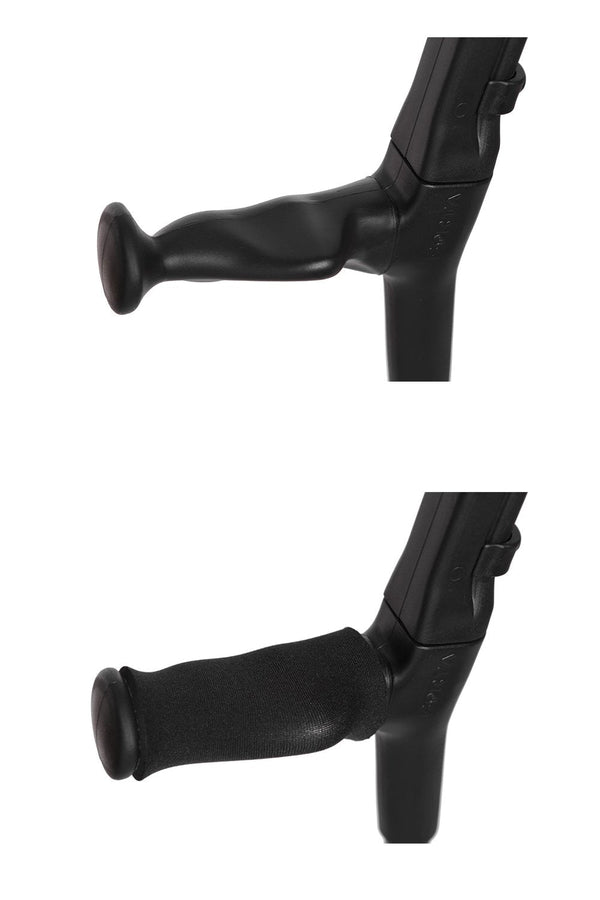
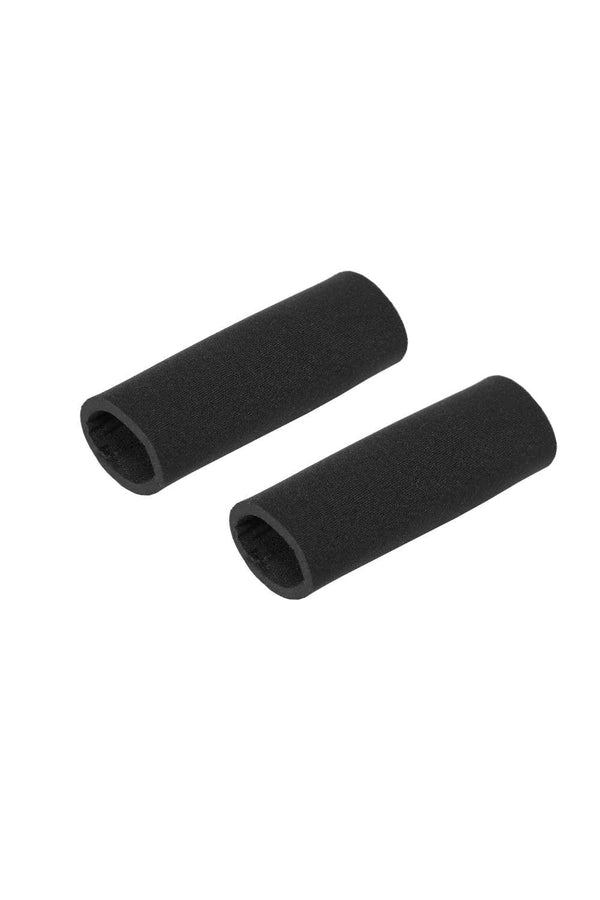
• Cushioned grips reduce pressure on hands and wrists
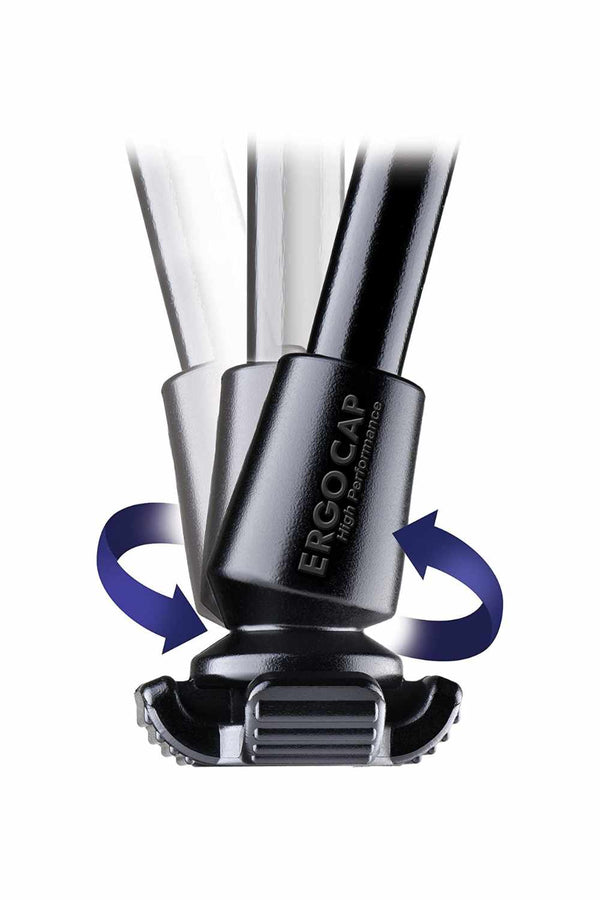
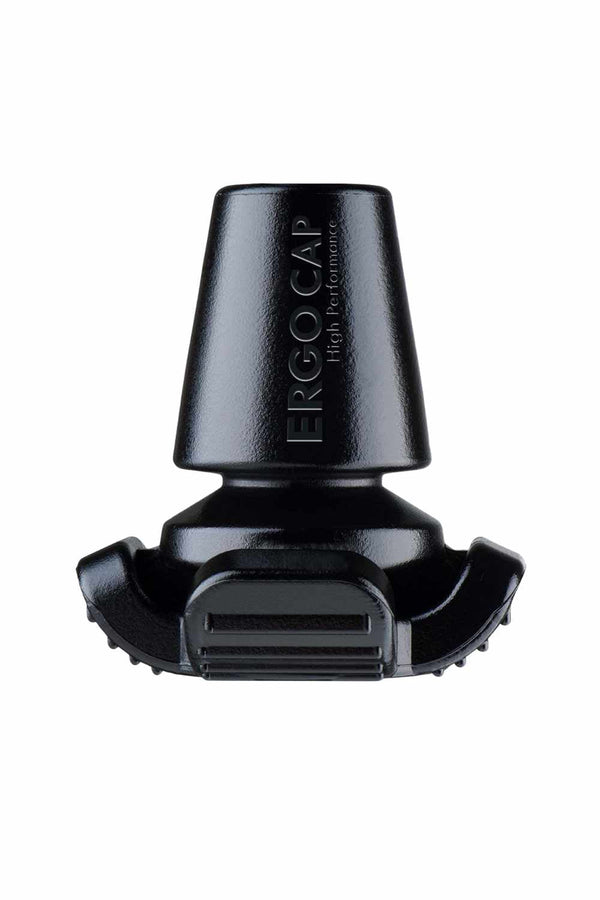
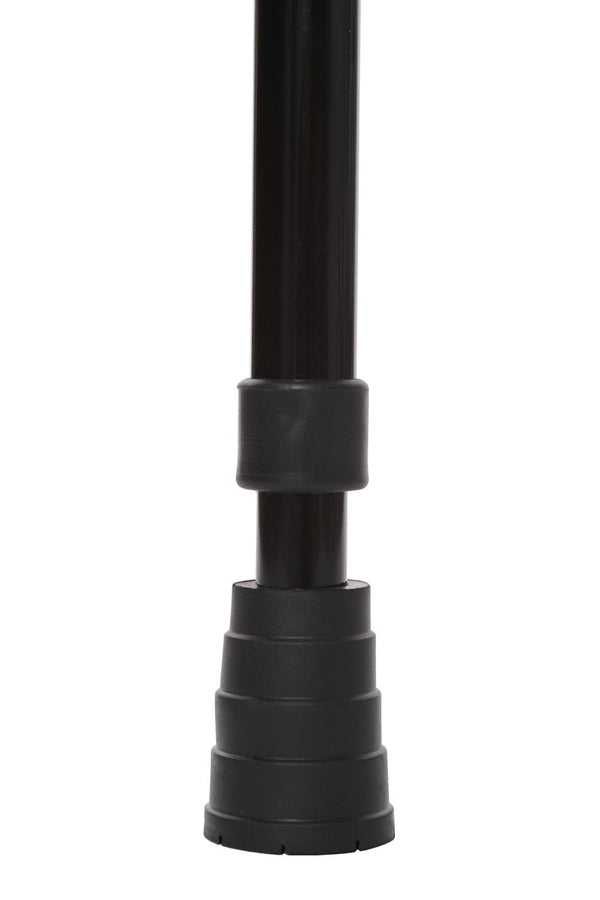
• High quality ferrules improve stability and reduce the effort needed to balance
Better grip and stability allow muscles to work efficiently rather than compensating for poor contact with the ground.
Using crutches works far more muscles than many people realise. From your core and shoulders to your hips and standing leg, crutch walking is a full body activity that can help build strength, stability and confidence when supported with good technique and the right equipment.
With thoughtfully designed crutches and accessories, Cool Crutches is here to help you move safely, comfortably and confidently, whatever your mobility journey looks like.
You may also find these articles helpful:
• How Do I Know Which Ferrules Will Suit Me Best?
• How to Use Crutches Safely and Comfortably
• Essential Accessories for Crutches and Walking Sticks