Planning Accessible Holidays Abroad: The Complete Guide for Walking Aid Users
There's a particular kind of exhaustion that comes from planning a holiday when you use a walking aid. Not the good kind but the kind that comes from trawling through vague accessibility statements, calling hotels to ask whether "accessible" means a grab rail or an actual roll-in shower and quietly wondering whether it's just easier to stay at home.
It isn't easier to stay home. And it shouldn't have to be this hard.
This guide exists because you deserve a proper holiday, not a compromise. Whether you use a walking stick, crutches, or both depending on the day, here's everything you need to know to plan a trip abroad that actually feels like a holiday, not a headache!
Start With the Airport, It Sets the Tone for Everything
Airports are one of the biggest sources of anxiety for mobility aid users, and yet most of them have far better support than people realise, you just have to ask for it in advance.
Request assistance when you book your flight, not at the airport. Every UK airline is legally required to provide assistance to passengers with reduced mobility under EU261 regulations (still applicable in UK law post-Brexit). This includes wheelchair assistance from check-in to the gate, priority boarding and help with hand luggage.
You'll be asked to select a DPNA (Disabled Passenger Needs Assistance) code when booking. Do this. It costs nothing, it flags your needs to ground staff, and it means you're not starting your holiday already depleted.
What about your walking aid? Great news: walking sticks and crutches travel free on virtually every airline and do not count as part of your hand luggage allowance. They can go in the overhead locker or be stored by the cabin crew, just let them know at the gate. For the full breakdown of flying with crutches and walking sticks, our guide to taking crutches on a plane covers everything you need to know.
Top tips:
Wait until everyone is seated to put your crutches or sticks in the overhead locker. Making sure your walking aid is the last item into the overhead locker means it is less likely to be damaged in transit, do be aware when you land you'll need someone to get it out first and carefully so it doesn't fall down when the locker is opened.
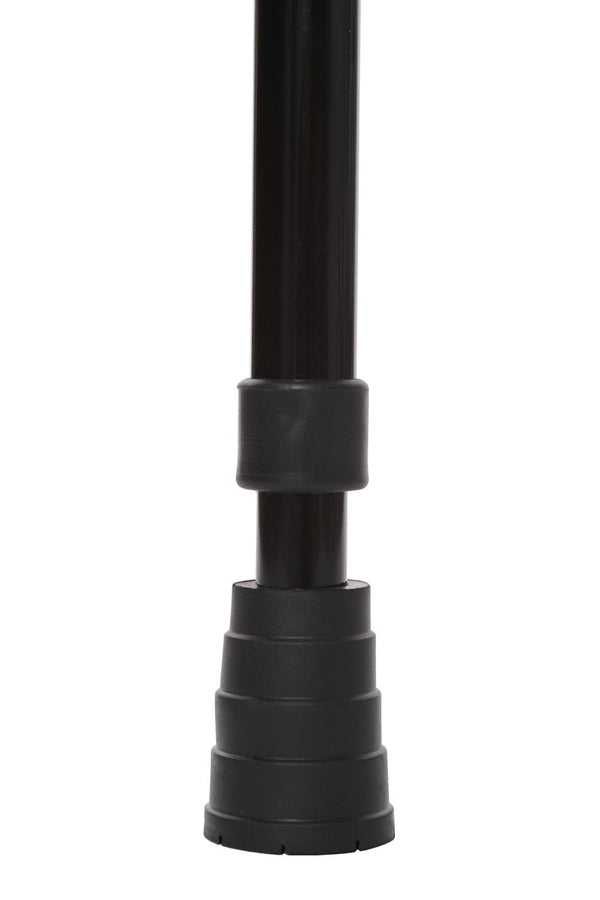
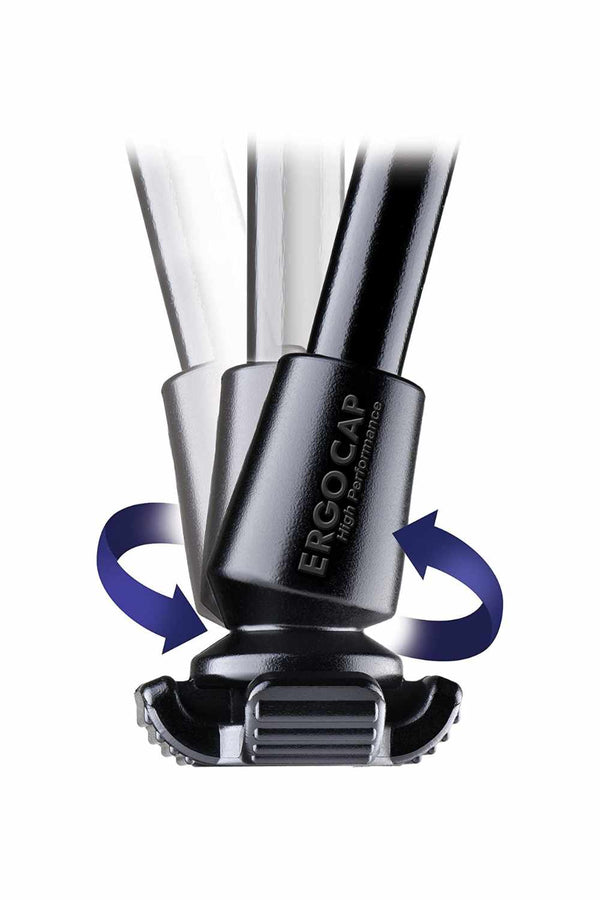
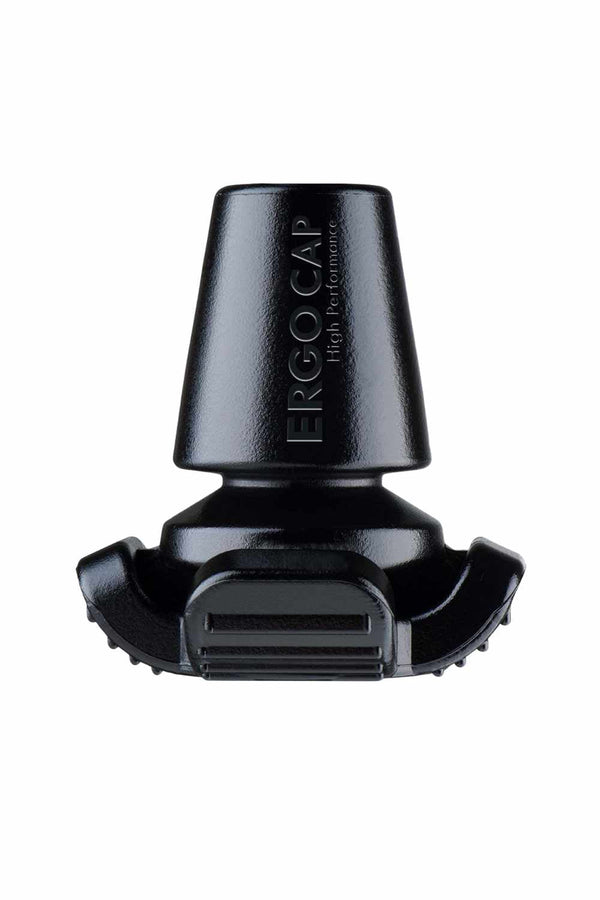
Pack a spare ferrule. Seriously. Airport floors are hard on rubber tips and the last thing you need is a worn ferrule on day one. Replacement ferrules are small, lightweight, and could save the trip.

Choosing the Right Destination for You
Not all destinations are created equal when it comes to accessibility and "accessible" means different things depending on whether you use a stick for balance, crutches for full weight bearing, or something in between.
The destinations that consistently deliver for mobility aid users:
Barcelona is one of Europe's most accessible cities - wide pavements, an excellent metro system with lifts at most major stations and a flat seafront perfect for walking. The Gothic Quarter is cobbled and challenging, but the rest of the city more than makes up for it.
Amsterdam is flat, well-connected, and has invested heavily in accessibility infrastructure. Most museums are fully accessible, the trams have low floors, and the canal-side streets are wider than they look.
Lisbon is a more mixed experience - it's hilly, and some of the historic trams are not accessible, but the waterfront areas and most modern attractions are well set up, and it's genuinely beautiful.
Malta offers warm weather, English as an official language, and a growing number of accessible hotels and beaches. The terrain varies, so research specific areas before booking.
Closer to home, the Scottish Highlands are more accessible than many people assume, with Visit Scotland's accessibility guides being among the most detailed in Europe.
Questions to ask any destination before booking:
- Are the pavements even and well-maintained, or cobbled and uneven?
- Does public transport have step-free access?
- What is the terrain like between accommodation and the main attractions?
- Does the hotel have a lift, and is it large enough for a mobility aid?
Accommodation: What "Accessible" Actually Needs to Mean
The word "accessible" on a hotel website can mean almost anything. An accessible room might mean a slightly wider door, or it might mean a fully adapted wet room with grab rails and a shower seat. You need to know which one you're getting.
Always call ahead. A five-minute phone call asking specific questions will tell you more than any website. Ask:
- Is the accessible room on the ground floor or near the lift?
- What is the distance from the car park or taxi drop-off to reception?
- Are there steps at the entrance?
- Does the bathroom have a walk-in shower or a bath?
- Is there seating in the shower?
Consider apartment rentals carefully. Platforms like Airbnb and Vrbo now have accessibility filters, but the information is self-reported by hosts and not always accurate. Look for reviews specifically from guests who mention mobility needs.
Booking through a specialist. Organisations like Accessible Travel & Leisure and Enable Holidays specialise in genuinely accessible holidays and have vetted their accommodation in person. If you want the reassurance, it's worth the conversation.

Packing Smart When You Use a Walking Aid
Your packing list needs some additions that most travel guides won't mention.
A folding walking stick is worth considering even if you primarily use crutches. It's lighter to carry as a backup when you need your hands free for activities, packs flat into hand luggage, and is a game-changer for trains and planes if you're stick or crutches is in the overhead locker and you want to go to the bathroom.
Shoes matter more on holiday than at home. You're walking more, on unfamiliar surfaces, often in heat. Anything that destabilises your gait will affect how much your walking aid is working for you. Our guide to choosing the best shoes when you use a walking aid is worth a read before you pack.
A travel bag for your accessories keeps ferrules, grips, and spare parts together and accessible without dismantling your whole suitcase at security.
Extra neoprene grips if you're going somewhere warm. Heat and humidity affect grip comfort more than most people anticipate, and having a spare set means you're not managing discomfort halfway through your trip.
Travel Insurance - Don't Skip This Part
Standard travel insurance often has exclusions for pre-existing conditions. Read the small print carefully and declare everything - not because you necessarily need to claim, but because an undisclosed condition can invalidate your entire policy.
Specialist insurers including Able2Travel, AllClear, and Free Spirit cover pre-existing conditions as standard. The premium is sometimes higher but the peace of mind is worth it.
The Mindset Shift That Changes Everything
The most practical advice we can offer isn't about ferrules or travel insurance. It's this: plan for the bad days as well as the good ones, and build rest into the itinerary rather than treating it as failure.
A holiday where you do three things well is better than one where you push through seven things and spend the last two days in the hotel room. Knowing your limits isn't giving in, it's how you actually enjoy the trip.
You use a walking aid because you live fully. That doesn't stop at the departure gate.
If you enjoyed this, you might also like: