Walking Stick vs Cane: What Is the Difference and Which Is Safer?
When it comes to mobility aids, the terms walking stick and cane are often used interchangeably. While they may look similar at first glance, the differences between them can have a real impact on comfort, stability and safety.
Choosing the right option is not just a technical decision. It is about how supported and confident you feel moving through your day.
What is a cane?
A cane is typically a simple, single point aid designed to improve balance and reduce pressure on one side of the body. Often these are handmade, focused on style but not necessarily medical device level support.
It is often best suited for:
-
Mild balance issues
-
Occasional support when walking longer distances
-
Light strain on joints such as hips or knees
Canes are usually lightweight and easy to manoeuvre, making them ideal for everyday use where only minimal support is needed.
Many people choose canes for their design as opposed to function.

What is a walking stick?
In many cases, the word cane is simply another term for a cane. However, it is also used more broadly to describe a wider range of more supportive walking aids.
This can include:
-
Ergonomic canes with shaped handles for better grip
-
Quad canes with a four point base for increased stability
-
Adjustable designs for more tailored support
These variations are often recommended when more consistent or structured support is needed.
Walking Sticks usually combine ergonomic support, functionality, medical certification but rarely without compromising on style. A well-made option which doesn't compromise on style would be an ergonomic and stylish Cool Walking Stick for long term, everyday use. Combining both functionality, comfort and style means a walking stick can feel like a natural extension of your personal style rather than purely a medical aid.
When might you need more than a walking stick?
If you find that a walking stick is no longer providing enough stability, it may be time to consider a more supportive option.
This might be the case if you:
-
Feel unsteady on your feet
-
Experience pain on both sides of the body
-
Need to take significant weight off one leg
-
Fatigue quickly when walking
In these situations, crutches can offer a higher level of support by redistributing weight through the upper body.
Exploring options like ergonomic crutches designed for comfort can help reduce strain on the hands and shoulders while improving overall balance and confidence.
If you are unsure what level of support you currently need, it can be helpful to take this quick walking aid quiz. It assesses your symptoms and recommends the most suitable option based on your day to day mobility.

Which is safer?
Safety is not determined by whether something is called a walking stick or a cane. It comes down to the certification of the walking stick and whether it has been tested for medical grade use. Certification worth looking out for include CE, FDA or UKCA.
A mobility aid should always:
-
Feels stable and secure when in use
-
Be adjusted to the correct height
-
Reduce strain and pain, rather than creating it
-
Supports your natural walking pattern
For some people, a simple cane is more than enough. For others, a more supportive walking stick or a pair of crutches will provide the reassurance they need.
Using the wrong mobility aid, even if it seems like a small difference, can increase the risk of discomfort or falls over time.
Choosing the right option for your lifestyle
Your environment and daily routine should play a role in your decision.
Consider:
-
Do you spend a lot of time outdoors or on uneven ground?
-
Do you need support all day or just occasionally?
-
Are you carrying bags or using public transport regularly?
A lightweight walking stick may suit occasional use, while a more supportive option may be better for longer periods of movement.
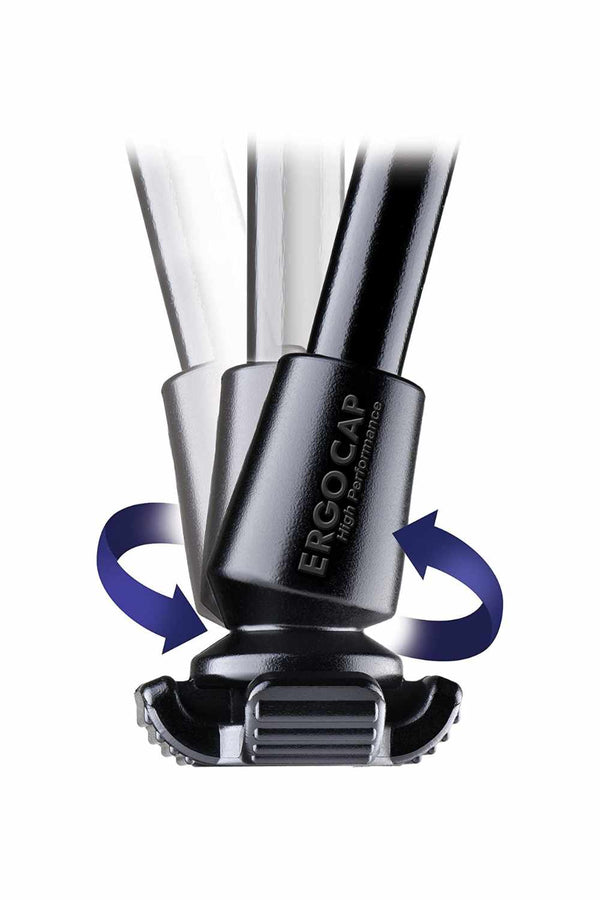
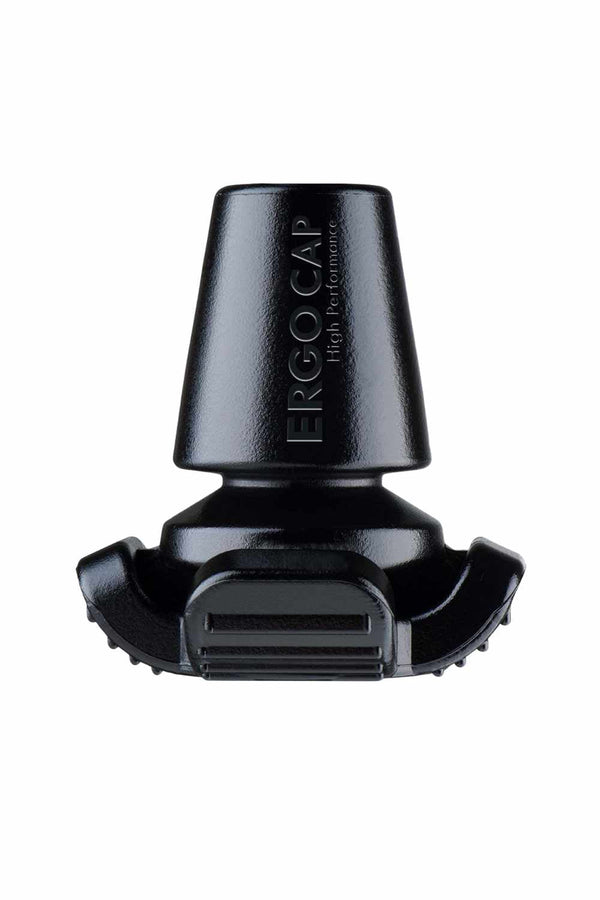
Comfort is just as important as function. Handles, grip and weight all contribute to how easy your mobility aid feels to use over time. It is also key to look at the rubber tip on the bottom of your walking stick or cane to ensure it is cushioned, shock absorbing and has all terrain capacity if needs be. Check out our range of ferrules for all terrain options.
Small adjustments can make a big difference
Even if you already use a walking stick or cane, reviewing your setup can improve both comfort and safety.
Simple changes such as:
-
Adjusting the height correctly
-
Switching to a more ergonomic handle
-
Choosing a design with better grip can transform how supported you feel day to day.
Confidence comes from the right support
Ultimately, the best mobility aid is the one that allows you to move with ease and confidence.
There is no one size fits all answer, and your needs may change over time. What matters most is choosing support that works with your body, not against it.
Not sure what support is right for you?
If you are unsure whether a walking stick, cane or crutches would suit you best, taking a personalised approach can help.
You can take our quick walking aid quiz to assess your current symptoms and get recommendations tailored to your needs.
If you found this helpful, you might also like:
Or explore more guides and advice on the Cool Crutches blog, where we share practical support, real experiences and expert insights to help you move with confidence.