Surviving Christmas With a Disability or Chronic Illness: A Realistic Guide for the Festive Season
The Christmas season is sold to us as magical, cosy and joyful, but for many disabled and chronically ill people, it can be exhausting, overwhelming, and full of pressure. Between family expectations, cold weather, disrupted routines, travel, and the emotional labour of “performing” cheer, it’s no surprise that December can feel like a marathon… not a holiday.
This guide is here to help you protect your energy, set boundaries, and move through the festive period in a way that feels manageable, gentle, and authentically you.
Whether you’re navigating pain, fatigue, sensory overload, mobility challenges, flare-ups or unwanted comments from relatives, these tips come straight from lived experience.
And don't forget, if you aren't using a mobility aid, but think now might be the time, or if you aren't sure if the one you are using is the right one, take our quiz! It's free and will guide you on the BEST option for you. The right mobility aid could make all the difference this winter. It won't only help you leave the house with confidence, but will also eliminate any pain, fatigue and flare-ups you experience through not using the right one (yes, this is so common!)
Take the Quiz HERE
🎄 1. Rest Is Not Optional
Your body doesn’t stop being disabled just because the calendar says “festive season.”
Give yourself permission to:
-
Take pre-emptive rest before events
-
Build rest into the day (not just after you crash)
-
Leave early without guilt
-
Create buffer days between gatherings
Remember: rest isn’t lazy, it's what lets you participate at all.
Your worth is not based on how many events you attend or how busy you are.

🎄 2. You’re Allowed To Say No
One of the hardest parts of the holidays is managing expectations. If your body says no, that is your answer.
You can say:
-
“I won’t be able to make it, but thank you for inviting me.”
-
“I can come for an hour, but not the whole time.”
-
“I’ll join on Facetime instead.”
-
“I need to leave early to protect my energy.”
You don’t owe anyone a long explanation. “No” is a full sentence.
🎄 3. Prepare Early
Winter can worsen pain, fatigue, mobility, breathing, circulation and joint stiffness. Prepare for the flare-ups that cold weather may trigger:
-
Use heat pads, hot water bottles, or heated blankets
-
Wear layers that don’t restrict mobility
-
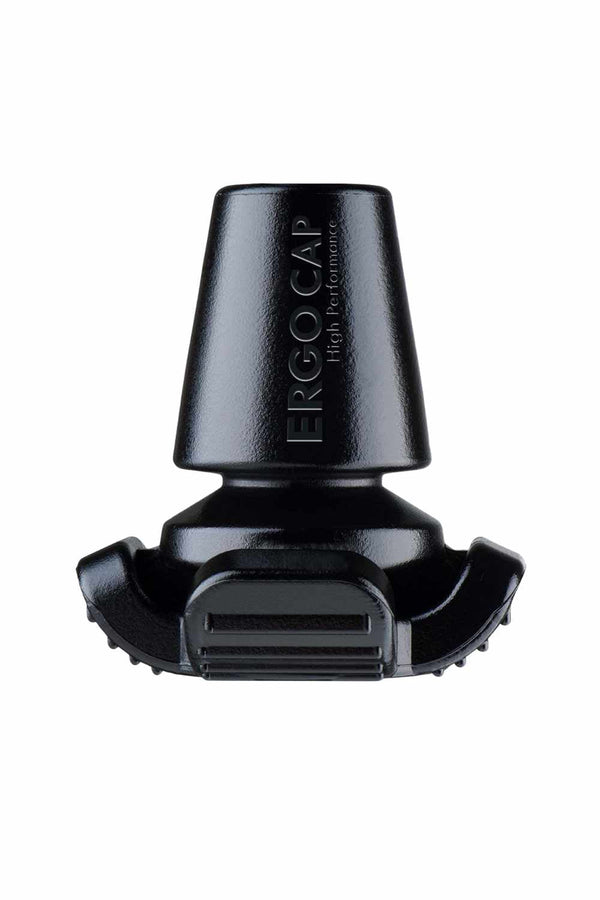
Keep mobility aids winter-ready (ferrules, grips, torches, extra wide cuffs)
-
Have slip-resistant footwear
-
Keep meds topped up to avoid holiday pharmacy shortages
If you’re travelling to family, pack as if you’re expecting a flare, not hoping to avoid one.

🎄 4. Set Boundaries
Holiday dynamics can be difficult when you’re disabled, especially if family members struggle to understand fluctuating symptoms or invisible conditions.
Consider sending a gentle message before gatherings:
“My energy is limited, so I may need breaks, quiet time, or to leave early. Please don’t take it personally, it’s just my health.”
It can prevent awkwardness before it starts.
🎄 5. What You Don’t Want to Hear (But Probably Will)
You're going to hear the classics:
“Have you tried yoga?”
“You were fine last time I saw you.”
“But it’s Christmas, can’t you just push through?”
“You’re too young to be that tired.”
“You don’t look sick.”
“Surely one drink won’t hurt?”
“Why do you need that stick today, you weren’t using it earlier?”
Let’s be clear: none of these comments are acceptable.
You are allowed to shut down the conversation politely or redirect it.
Try:
-
“My health isn’t up for debate today.”
-
“I’m managing my condition the best I can.”
-
“Let’s talk about something else.”
You do not have to educate people who don’t want to understand.

🎄 6. Make the Holidays Accessible For You
You’re allowed to adapt traditions to your body, not the other way around.
Ideas:
-
Do Christmas dinner in pyjamas if that’s what's comfortable
-
Choose an accessible restaurant if you’re eating out
-
Ask people to come to you if travel isn’t possible
-
Ditch the things that cause more pain than joy
Traditions are only meaningful if you’re able to enjoy them.
🎄 7. Plan Your “Escape Routes”
Whether it’s sensory overload, pain spikes, fatigue or anxiety, having a backup plan helps you feel safe.
Consider:
-
A quiet room you can retreat to
-
Noise-cancelling headphones
-
Take a partner/friend who supports you
This is self-preservation, not dramatic.

🎄 8. Lower the Bar
You are not obligated to:
-
Cook
-
Host
-
Wrap gifts perfectly
-
Attend everything
-
Be cheerful
-
Be “easier” for other people
Sometimes surviving the season is enough.
Sometimes enjoying one hour of one event is a victory.
Sometimes the win is simply making it through the day.
And that’s okay.
🎄 9. Find Moments of Joy
Not the big, exhausting things, the small things.
-
A Christmas film under a heated blanket
-
A drive to look at lights
-
Listening to festive music
-
Eating your favourite festive treats
Joy doesn’t disappear because your body is different.
It just looks different.

🎄 10. Ease, Not Pressure
The holidays are supposed to be about connection, rest, love and warmth.
Not guilt. Not exhaustion. Not performing health for family members.
Protect your boundaries, your body, and your energy.
The people who matter will understand, and the rest do not get a say.
💛 A Final Reminder
You are not a burden.
You are not “difficult.”
You are not letting anyone down.
You are doing your best, with a body that asks a lot of you, and that is something to be proud of.
The chronic illness and disabled community sees you, loves you, and is getting through this season right alongside you.
You are not alone ❤️
If you'd like some more Christmas / Winter advice, try reading these: